
Pricing Expansion Design:
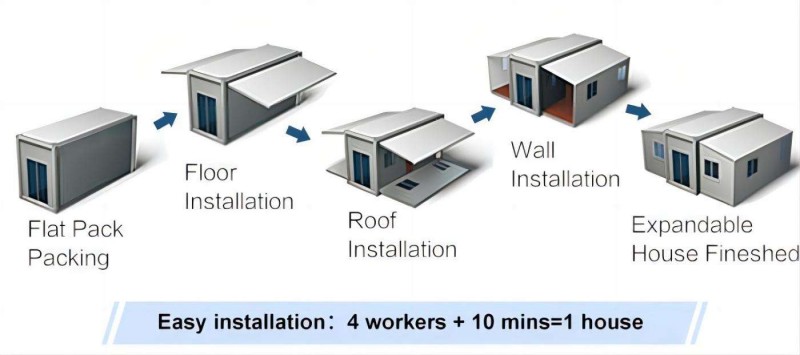
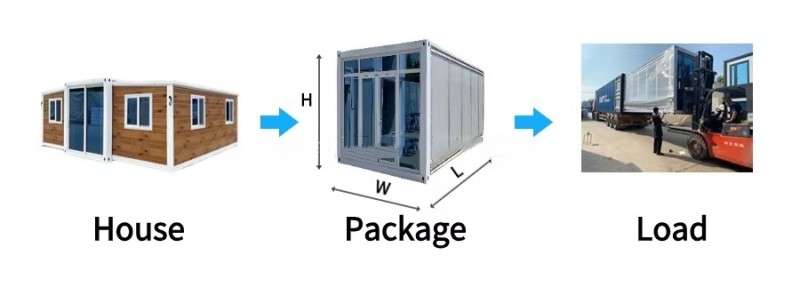
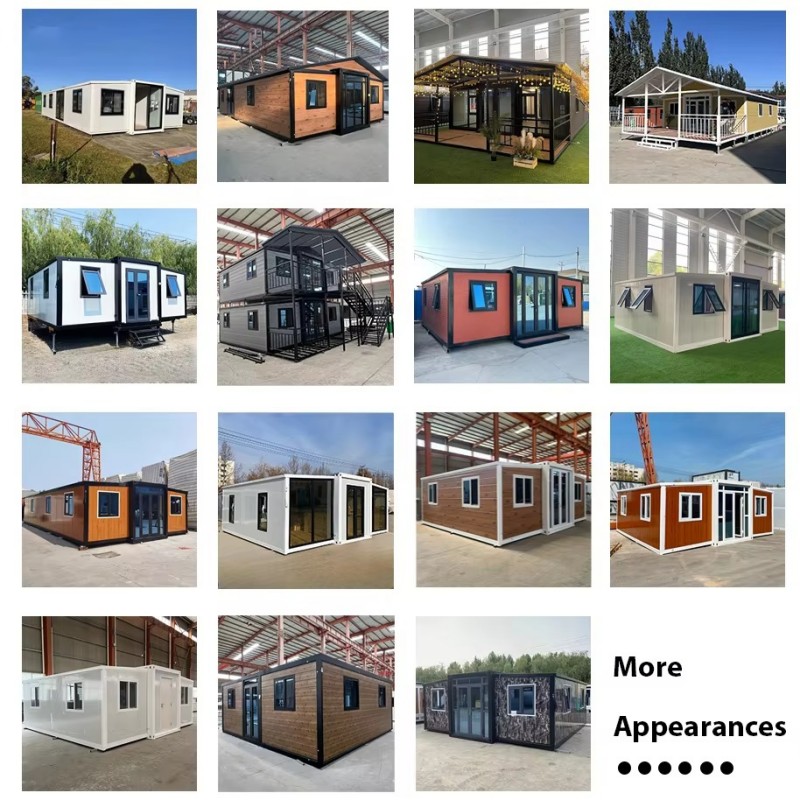
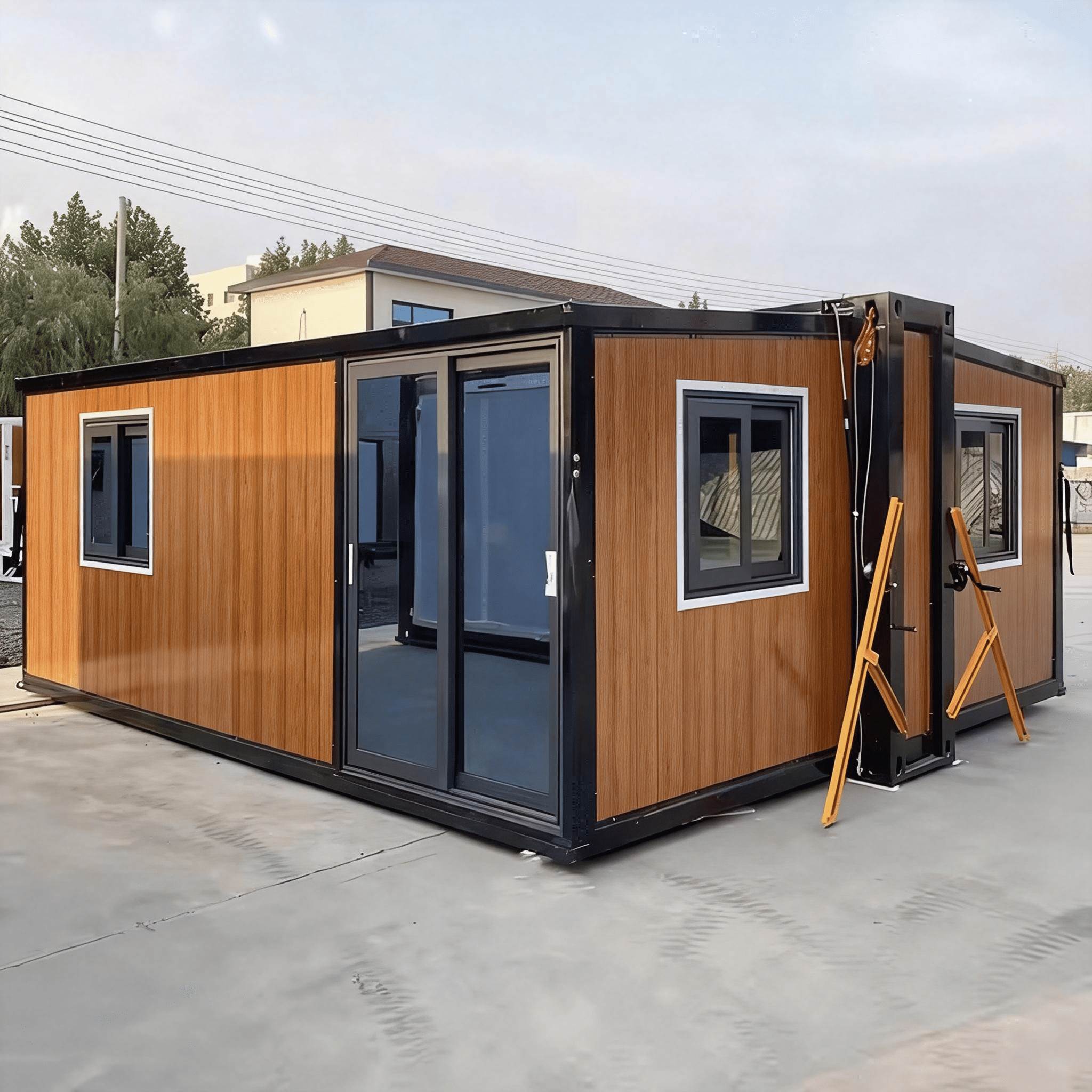
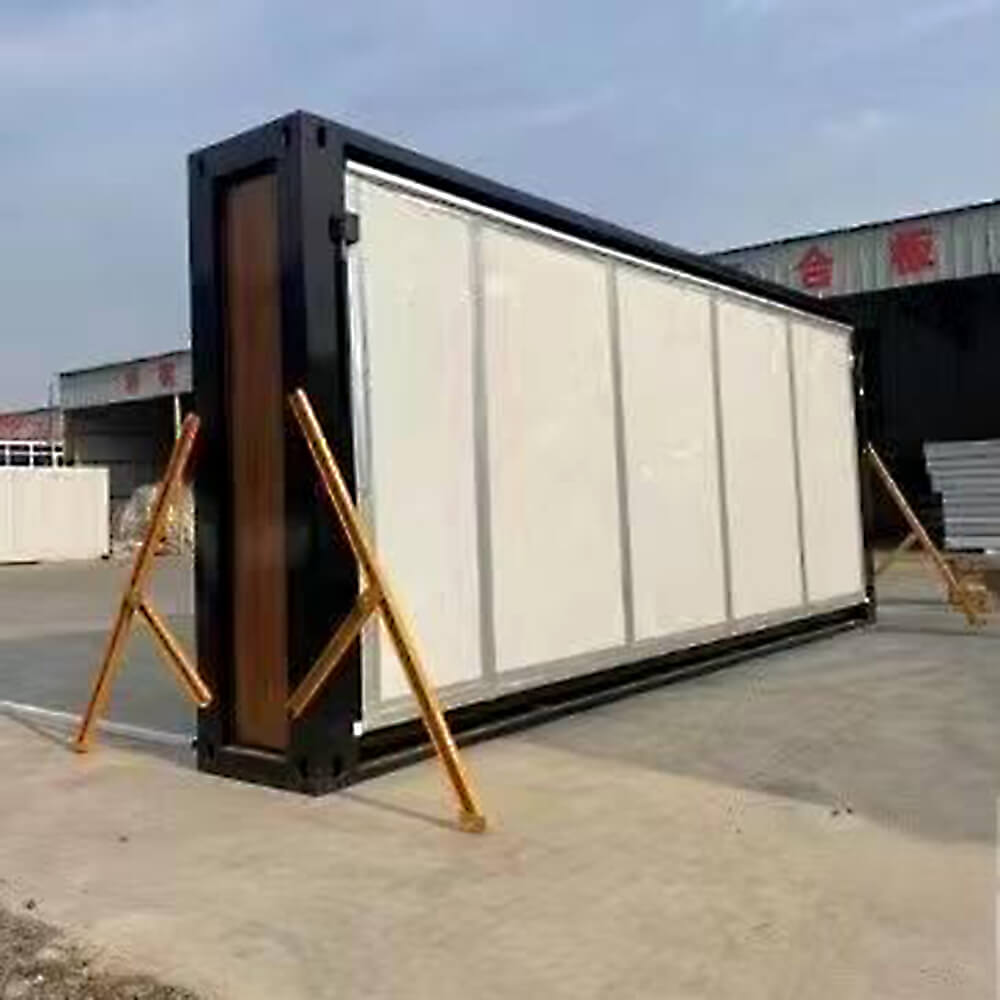
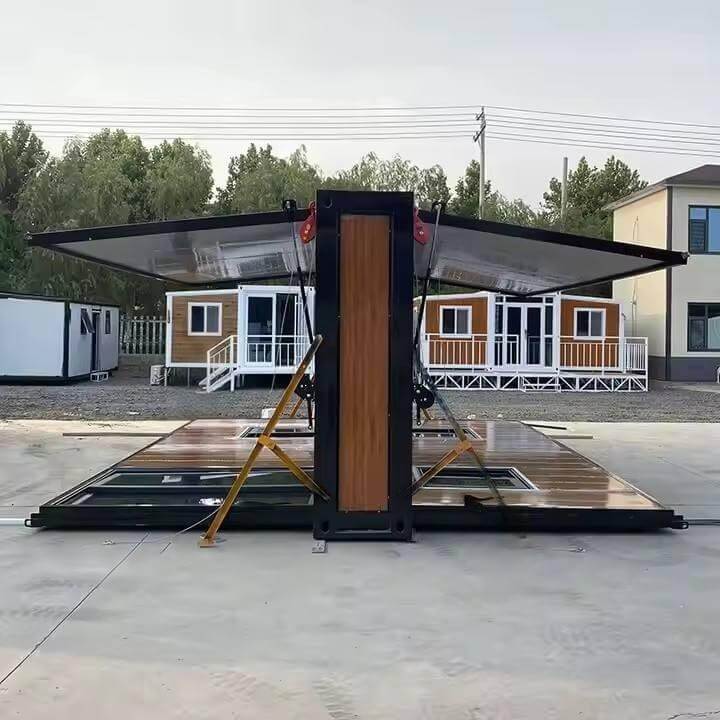
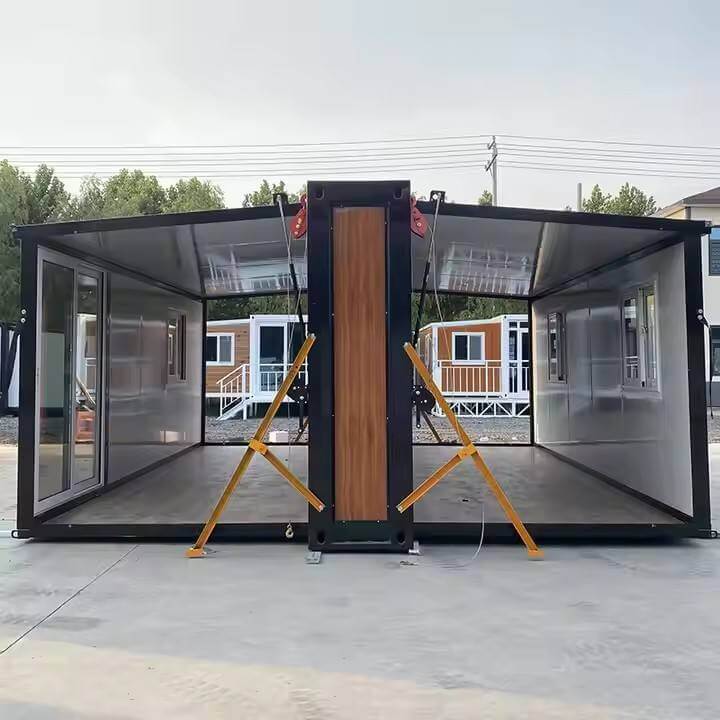
Adopts a scalable container module structure that can be compressed during transportation. On-site assembly enables expandable usable space, facilitating rapid deployment and flexible adaptation to various site conditions.
Wood-Grain Exterior Finish:
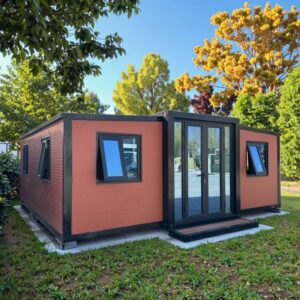
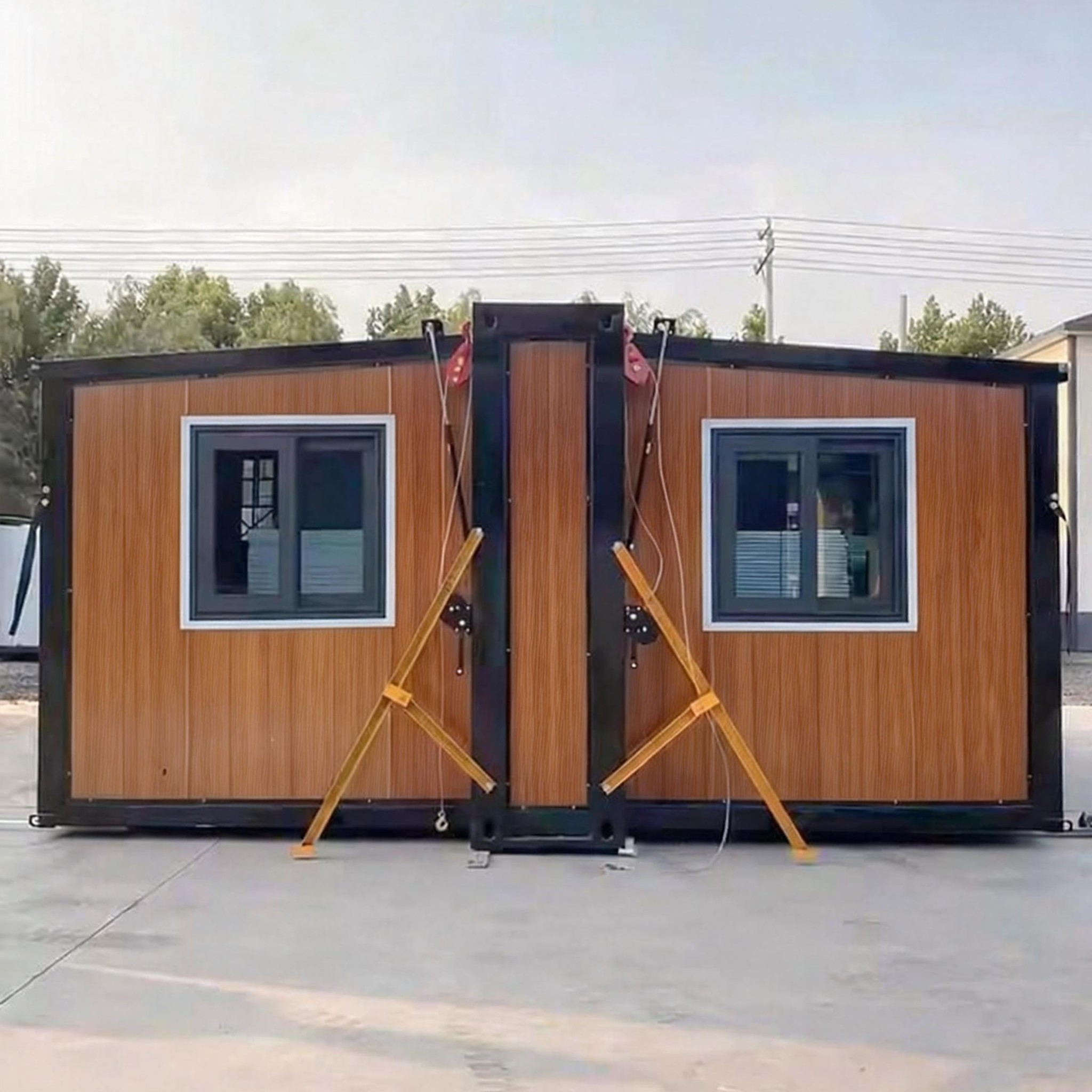
The exterior walls use wood-imitation materials to create a natural and aesthetically pleasing appearance. This seamlessly integrates with rural or scenic environments, enhancing surrounding appeal and visual harmony with the surroundings.
Large Glass Door Lighting Advantage:
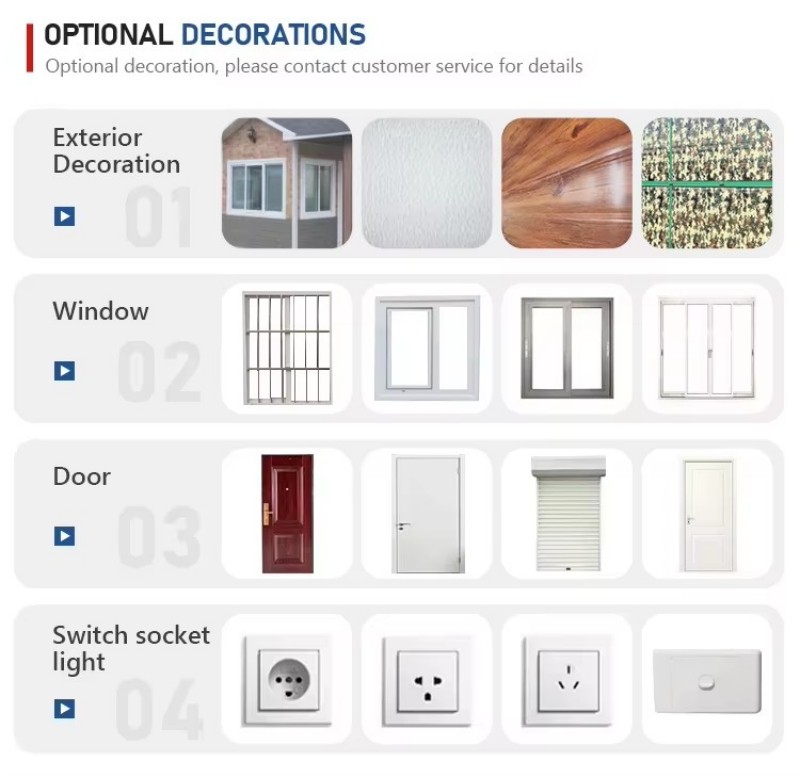
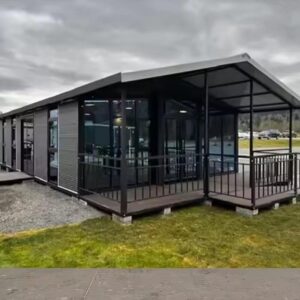
Large sliding glass doors significantly enhance indoor natural lighting, creating an open and well-ventilated space, while also facilitating smooth passage and visual interaction between interior and exterior areas.
Multi-Window Ventilation Design:
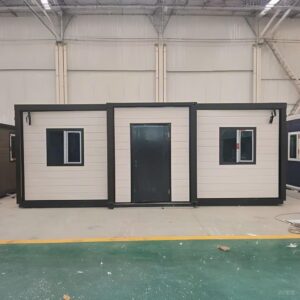
Multiple strategically placed windows ensure effective air circulation, improve indoor air quality, and enhance user comfort.
Prefabricated Integrated Production:
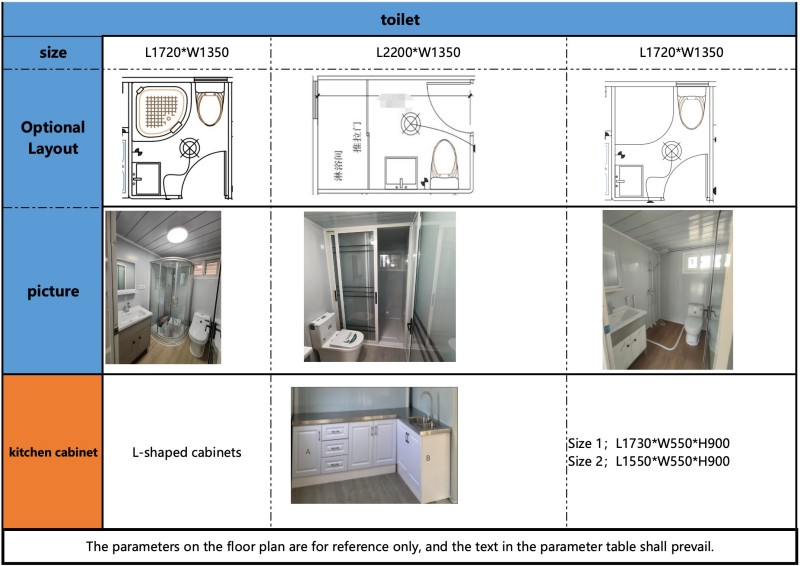
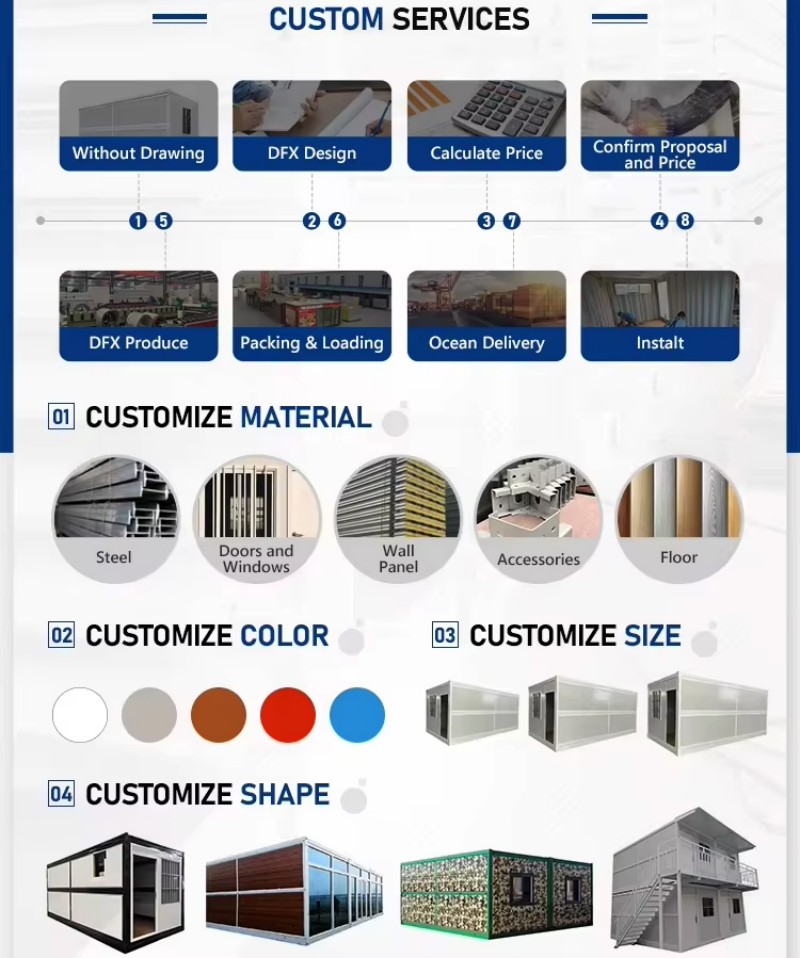
Basic systems—including plumbing, electrical wiring, and insulation—are fully integrated during factory prefabrication. Upon delivery to the site, only minimal on-site work is required, enabling rapid deployment and saving construction time.
Temporary Living Space Application:
Suitable for temporary accommodation, such as construction site dormitories or guest rooms in homestays, providing convenient resting areas for occupants.
Mobile Office Functionality:
Ideal for setting up temporary workspaces at outdoor exhibitions or as mobile offices for small startups, meeting flexible office needs.
Tourism Payment Service Platform:
Can be converted into ticket booths, tourist service centers, or small retail shops within scenic areas, supporting tourism infrastructure development.
Emergency Disaster Relief Role:
Can be rapidly transported to disaster zones to establish temporary shelters, offering immediate refuge and basic living space for affected populations.
Reusable Design:
Features a reconfigurable structural system that allows relocation and reassembly at new sites as needed, ensuring reusability and reducing long-term costs.
How is the preliminary performance of this container house?
The expected performance of container houses primarily depends on material selection, structural design, and manufacturing quality. Based on common characteristics of such structures, the analysis is as follows:
1. Insulation Materials and Structure
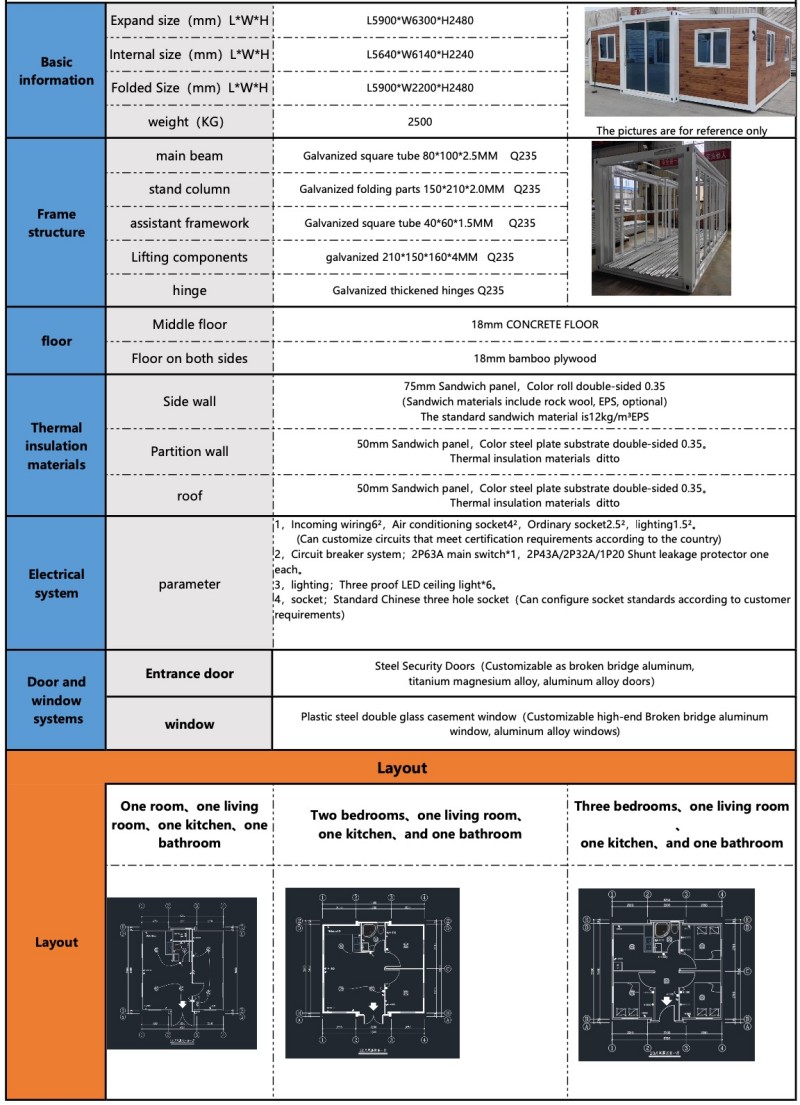
Standard products typically use composite insulated panels (e.g., polyurethane or rock wool sandwich panels). The insulating core layer (typically 50–100 mm thick) effectively resists heat transfer. Their low thermal conductivity minimizes temperature exchange between indoor and outdoor environments.
2. Window and Door Sealing
The building features large glass doors and multiple windows. High-performance sealing profiles (e.g., thermal-break aluminum alloy frames) combined with double-glazed insulated glass minimize heat loss through gaps. However, substandard sealing techniques may compromise energy efficiency (depending on the manufacturer’s configuration standards).
3. Applicability and Limitations in Temperate/Subtropical Climates
With proper insulation and effective sealing, the unit can maintain comfortable indoor temperatures naturally during spring and autumn. In winter and summer, when used with HVAC systems, it achieves significant energy savings.
In extremely cold or hot climates, verify whether the manufacturer has enhanced roof and floor insulation (some premium models include upgraded whole-house insulation systems); lower-end configurations may require additional insulation measures.
4. Impact of Manufacturer Differences
Reputable brands strictly control insulation thickness, density, and fire resistance, ensuring stable thermal performance. Smaller workshops may cut corners on insulation layers, negatively affecting thermal efficiency.
Overall, well-manufactured container houses can deliver sufficient performance for temporary buildings or auxiliary living spaces. Actual performance depends on the manufacturer’s specifications and local climatic conditions.